Front-load washing machines
Door locking, drainage, drum movement, heating and electronic controls are common inspection areas. A leaking door seal, blocked drain or overloaded drum can produce different symptoms that need separate checks.
A washer may fail to fill, drain or spin for several different reasons. We help with chargeable inspection enquiries for out-of-warranty front-load, top-load and semi-automatic machines. Share the model number, displayed error and stage at which the cycle stops so the issue can be discussed clearly.
Visiting charges from ₹500 · Out-of-warranty products only
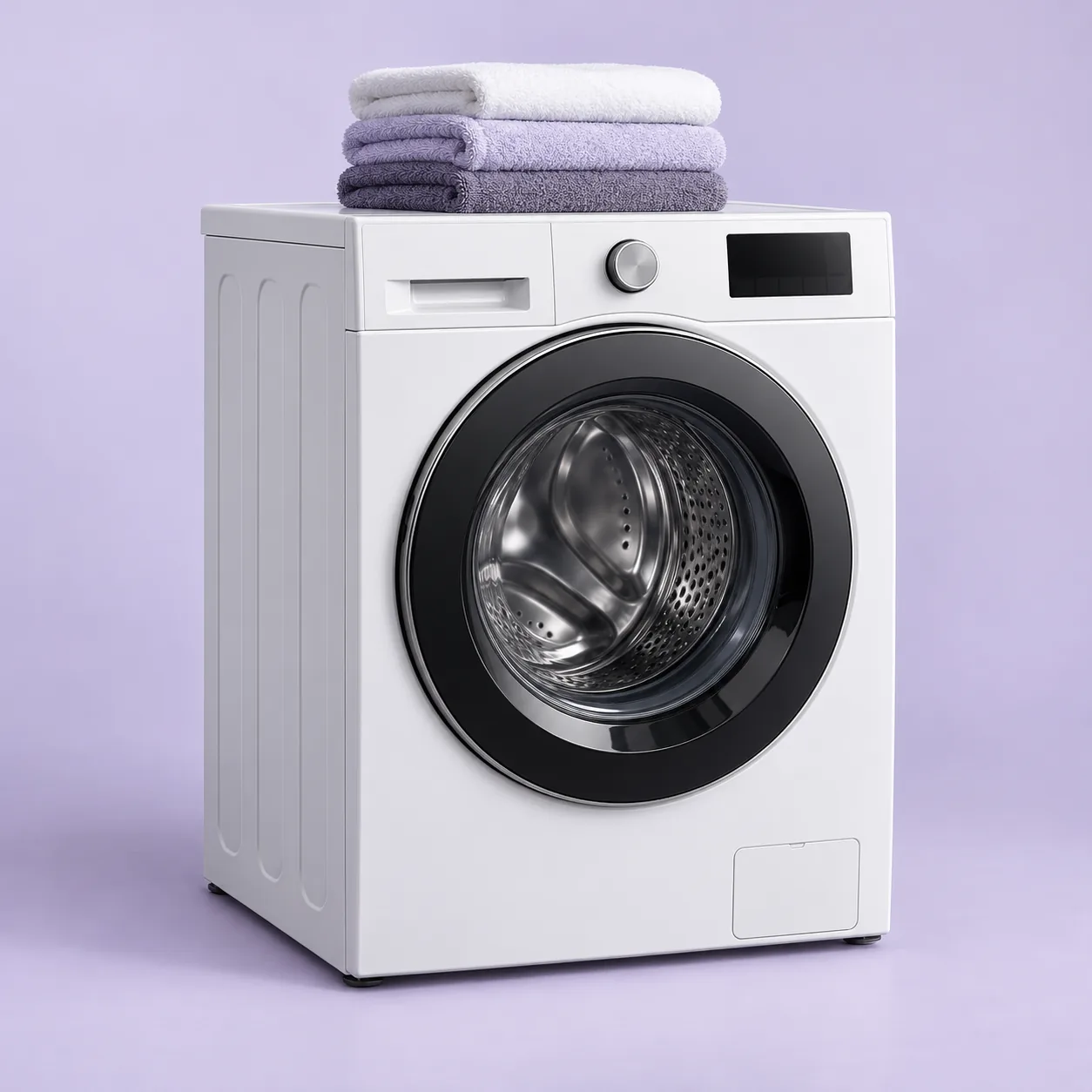
Door locking, drainage, drum movement, heating and electronic controls are common inspection areas. A leaking door seal, blocked drain or overloaded drum can produce different symptoms that need separate checks.
Water inlet, lid detection, wash action, suspension and spin balance can be assessed. Do not bypass a lid switch or reach into a moving tub.
Wash and spin tubs have separate mechanisms. Timer, selector, drain, belt, motor and spin-brake concerns should be described by identifying which tub has the problem.
Standing water may be caused by the drain path, pump, installation or control system. Accessible user-serviceable filters can be checked safely; internal components need inspection.
Load balance and floor stability are checked before investigating suspension, motor drive, bearings or drum faults. Severe vibration should not be ignored.
Hoses, connections, seals, inlet valves and detergent use may contribute to water leakage or poor filling. The leak location helps narrow down the cause.
A door that will not lock or a cycle that stops may involve the latch, sensors, wiring or electronics. Model-specific diagnosis is necessary before recommending a board.
Use the maker's drum-clean cycle and suitable cleaner if the manual allows. Cleaning cannot repair a failed bearing, pump, heater or electronic component.
Level, hose routing, water supply and transport-bolt removal matter. Tell us if the problem began immediately after moving or installing the machine.
Safe checks can help describe the issue. They are not a confirmed diagnosis.
A safe first stepCheck for a visibly kinked external drain hose. Follow the manual before opening any user-accessible filter.
What may need inspectionThe drain pump, filter path and controls may need inspection.
A safe first stepPause safely and redistribute the load after the drum stops and the door unlocks.
What may need inspectionDrainage, lock, drive and balance sensing may need testing.
A safe first stepStop the cycle; do not hold or climb on the machine.
What may need inspectionLevelling, suspension, transport bolts and bearings may be assessed.
A safe first stepCheck that the supply tap is open and water is available.
What may need inspectionInlet restrictions, valve operation and level sensing may need checking.
A safe first stepStop the machine and isolate power only if it is safe and dry to do so.
What may need inspectionHoses, seals, dispenser and tub components may need inspection.
A safe first stepWait for the normal unlock delay. Never force the handle.
What may need inspectionWater level, temperature, latch and control faults may be involved.
Use the correct detergent type and dose. Avoid overloads, clear pockets and let the drum and detergent drawer dry when safe. Do not open filters while water is hot, force a locked door or bypass safety switches.
Explore safe DIY checks →Tell us the symptom, model and location. We’ll discuss the visit charge and availability before you arrange an inspection.
This is the starting visit charge, not the total repair price. Confirm the exact charge for your appliance and address by phone.
Discuss your service enquiry ↗Brand names identify the appliance only. We are independent, not authorised by these manufacturers. Confirm the exact model, appliance category, parts and repair feasibility by phone; a listing does not guarantee support.
Have another question?
Let’s talk about your appliance.
Yes, enquiries include semi-automatic machines as well as top-load and front-load models. Confirm the make, model and required work by phone.
No. Cleaning addresses residue; grinding or bearing noise needs a separate inspection.
Not on the code alone. Power, sensors, wiring, drainage and locking can also trigger errors, so diagnosis should come first.
Tell us what’s wrong. We’ll discuss the next step.